

CAS Number:
75-20-7
Other Trading Names:
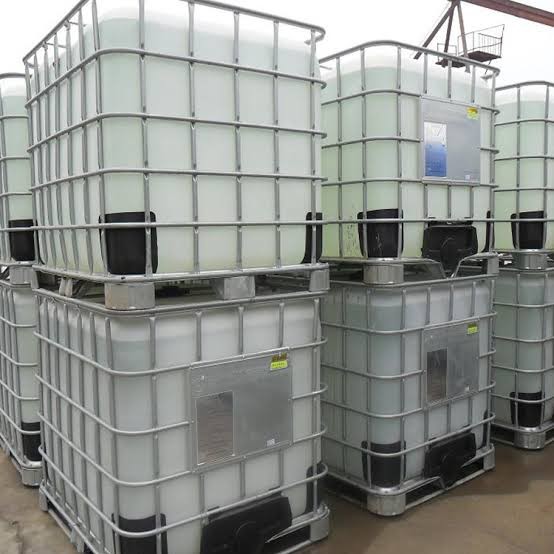
Types of Packaging
HS Code:
28491000
| Item | Index | |||||
| Gas Yield 20°C 101.3KpaL/Kg≥ | Size | Gas Yield | Size % | Ash % | ||
| Top | A Grade | Accept Grade | ≥90 | ≤1 | ||
| 2-4mm | 295 | 240 | 240 | |||
| 4-7mm | 295 | 260 | 260 | |||
| 7-15mm | 295 | 270 | 270 | |||
| 15-25mm | 295 | 285 | 285 | |||
| 25-50mm | 300 | 295 | 295 | |||
| 50-80mm | 300 | 295 | 295 | |||
| 80-200mm | 300 | 295 | 295 | |||
| pH % (V/V) ≤ | 0.032 | |||||
| H2S % (V/V) ≤ | 0.015 | |||||
Calcium Carbide is an inorganic compound having the chemical formula CaC2. It is also commonly known as Calcium Acetylide.
Chemical Appearance
Calcium Carbide in its pure form is colourless but its technical grade pieces are grey or brown in colour. They consist of approximately 80-85% Calcium Carbide, the rest is calcium oxide, calcium phosphide, calcium sulfide, and calcium nitride etc. Calcium Carbide emits an unpleasant garlic like odour in the presence of moisture. It reacts violently with water.
Chemical Applications and Strengths
Calcium Carbide is an extremely efficient chemical compound and therefore, has many industrial applications. Its main applications and strengths are:
Storage: Calcium Carbide is extremely hazardous. Too many ashes will cause an explosion, so it should be strictly controlled.
Buy Calcium Carbide